
Blog
Discover our latest articles on AI, productivity, and best practices for your meetings.

The Next AI Data Grab Is Your Workflow Exhaust
Google Trends did not surface a clean standalone AI keyword in the U.S. this morning, but current tech coverage converged on a more important signal: Meta says it will capture certain employee keystrokes, mouse movements, and interface behavior to train AI systems. For buyers, the real question is not whether this sounds creepy. It is whether the next competitive data layer for AI agents will be the exhaust from how work actually gets done.

The Apple Transition That Picks a Lane in the AI Race
Google Trends shows Tim Cook and John Ternus as one of the strongest live U.S. attention spikes this morning. But the more useful AI story is not succession gossip. It is that Apple appears to be choosing a hardware operator for an AI catch-up era. For buyers, the question is not whether Apple can win the model race tomorrow. It is what this leadership move says about how the next phase of AI products will actually be built, shipped, and trusted.

The AI Breach That Turns AI Sprawl Into Boardroom Risk
Google Trends does not always produce a neat standalone keyword for an enterprise AI security story. But in the U.S. over the past day, Vercel has shown stronger live search interest than several newer AI narratives, while the tech-news context converges on the real signal: Vercel says its April 2026 incident began through a compromised third-party AI tool. For buyers, the takeaway is bigger than one breach. AI sprawl is becoming a board-level governance problem.

The AI Launch That Matters for Buyers Is the One That Removes the UI
Google Trends does not show a clean consumer-style spike for every enterprise AI launch, but in the U.S. over the past day Salesforce has held stronger live search interest than most isolated launch labels while tech coverage converges on one real story: Headless 360. The important question for buyers is not whether this is good branding. It is whether enterprise software is being rebuilt for agents instead of humans.

The AI Shopping Push That Matters for Buyers Is Not a Storefront
Google Trends shows OpenAI and ChatGPT still dominating U.S. AI attention, but the more revealing signal is where that attention is heading: commerce. With Walmart partnerships, Starbucks inside ChatGPT, and OpenAI’s renewed product-discovery push, the real story is not whether chatbots can sell coffee. It is whether AI assistants are becoming the new front door to buyer intent.

The AI Literacy Backlash Is the Real Trend Buyers Should Watch
A Reese Witherspoon-led Google Trends spike around 'learn AI' looks superficial at first glance. It is not. The backlash reveals that the market is getting impatient with vague AI literacy advice and wants operational proof instead: where AI changes workflow, who owns the rollout, and how teams preserve the context behind decisions. For buyers, that is the real signal.
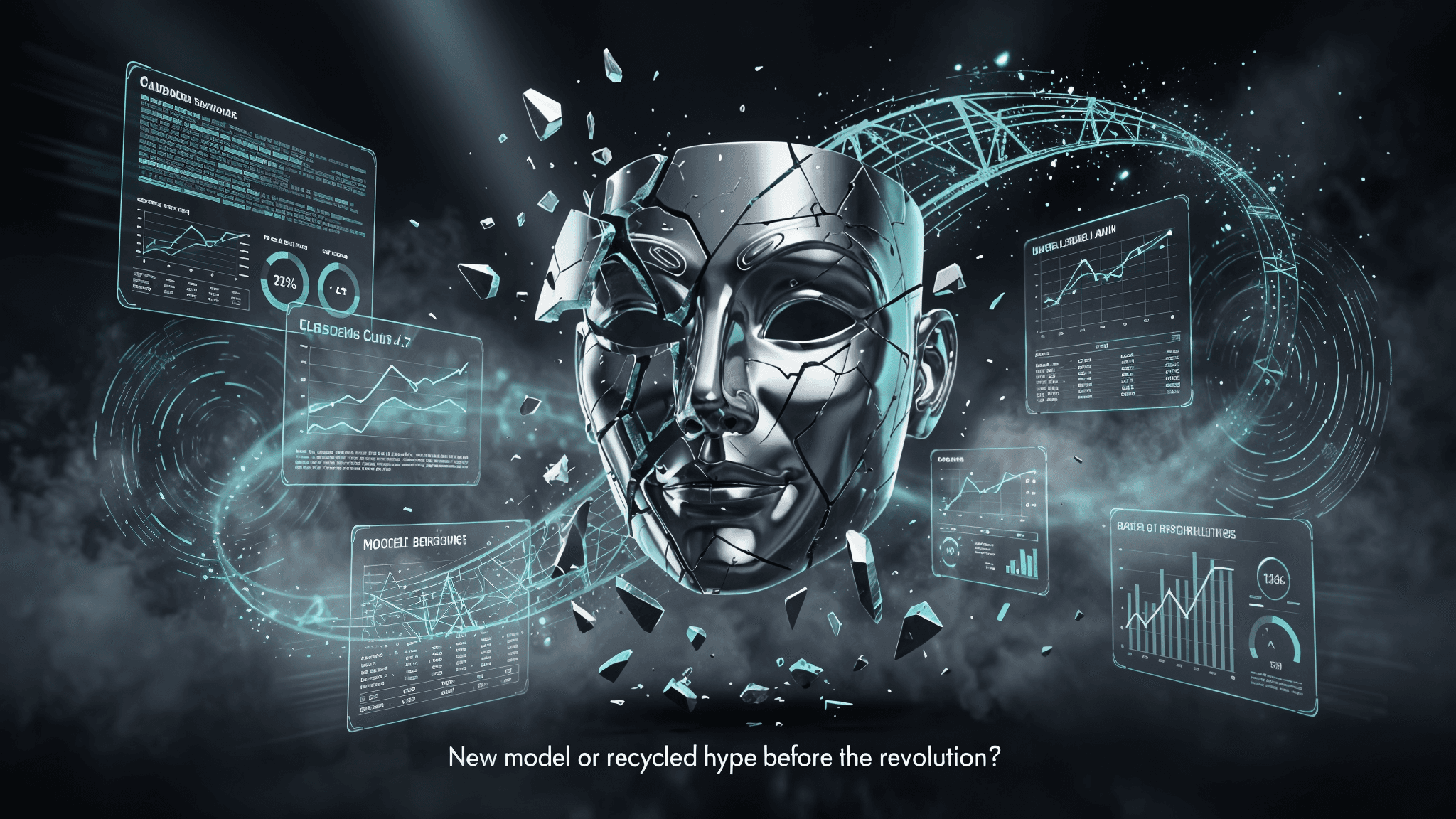
Claude Opus 4.7: New Model or Recycled Hype Before Mythos?
Anthropic presents Claude Opus 4.7 as a meaningful step forward for coding and high-effort reasoning. But is it truly a new model, or a polished iteration designed to bridge the market toward Mythos? The more useful question for buyers is not whether the launch is pure innovation, but what it reveals about how frontier AI products are now being packaged, benchmarked, and sold.

Meeting AI Is Becoming the Manager Coaching Layer
Meeting AI is moving beyond recall and follow-up into a new use case: helping managers coach better by surfacing recurring patterns across one-on-ones, team syncs, and project reviews. The real shift is not automated advice for its own sake, but faster visibility into where expectations, blockers, and performance themes keep repeating. For businesses, that turns meeting memory into a practical coaching input instead of a passive archive.

Teams Now Use Meeting AI to Shorten New-Hire Ramp
Teams are starting to use meeting AI as an onboarding layer, not just a notes layer. Instead of asking new hires to piece together context from scattered docs and secondhand recaps, companies can use searchable transcripts, summaries, and action history to compress the time it takes to understand customers, internal decisions, and ongoing work. This matters because ramp speed is becoming a revenue and execution issue, especially in remote and hybrid teams where context loss compounds quickly.

Managers Now Expect Meeting AI to Answer Questions
In 2026, basic meeting summaries are no longer enough to stand out. The emerging expectation is that meeting AI should answer specific follow-up questions across prior conversations, helping managers recover context, confirm decisions, and find ownership without digging through transcripts. This shift matters because the real bottleneck is not capturing meetings anymore—it is retrieving the right answer fast enough to keep execution moving.

Meeting AI Is Becoming the Prep Layer
A new expectation is emerging in meeting AI: teams do not just want a recap after the call, they want a usable brief before the next one. The winning products are turning transcripts, decisions, and action history into prep-ready context that helps sellers, managers, and operators walk into meetings already aligned. For Upmeet.ai, this creates a sharper positioning opportunity around searchable continuity, not generic note-taking.

Meeting AI Is Starting to Track Decision Drift
Meeting AI is moving beyond summarization into a new accountability use case: spotting when teams slowly drift away from what they actually agreed in prior meetings. As businesses run more recurring syncs, leadership reviews, and cross-functional handoffs, the real value is no longer just documenting decisions but detecting when execution starts to diverge from them. For SMB and mid-market teams, this turns meeting memory into an operational early-warning system.

Why Audit-Ready Meeting Memory Is Rising Fast
As AI meeting assistants mature, buyers are starting to evaluate them less like note-taking utilities and more like systems of record. The new pressure point is audit-ready meeting memory: searchable transcripts, decision trails, action ownership, and retrieval controls that help companies prove what was discussed, what was agreed, and what happened next. For SMBs and mid-market teams, this trend matters because execution risk increasingly comes from lost meeting context, not just bad summaries.

AI Meeting Memory Becomes Operational Infrastructure
Meeting AI is shifting from a note-taking convenience to an operational system teams rely on after the call ends. The real value now is not just capturing what was said, but turning meeting context into searchable, reusable institutional memory that improves execution, onboarding, and decision speed. For SMB and mid-market teams, that makes meeting memory a workflow asset rather than a passive archive.
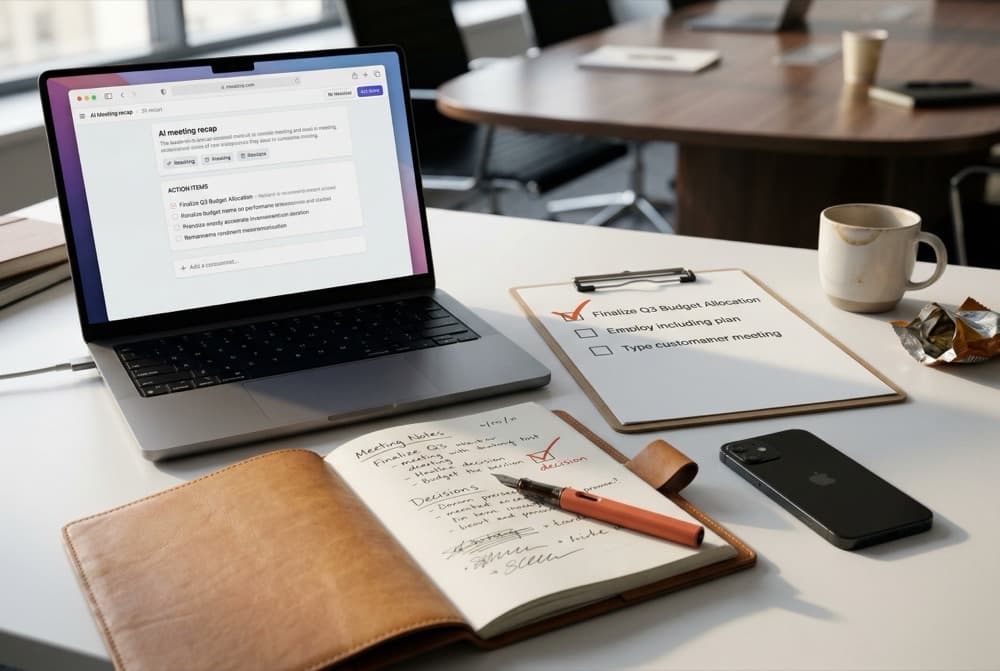
AI Meeting Tools Must Deliver Decisions, Not Summaries
The market is moving past AI meeting assistants that merely produce transcripts and generic summaries. Buyers increasingly want systems that turn meetings into accountable decisions, assigned next steps, and retrievable organizational memory. This angle positions Upmeet.ai around the real commercial outcome teams care about: better execution after the meeting, not prettier notes.

Claude Cowork Needs Upmeet for Meeting Follow-Through
As AI teammates like Claude become more embedded in day-to-day work, teams are starting to realize that coworking with an AI is not the same thing as preserving meeting reality. Claude can help people think, draft, and analyze, but it does not automatically become the source of truth for what was said, decided, assigned, and promised in live meetings. That is where Upmeet becomes the operational complement: it captures meeting memory, structures follow-ups, and makes post-meeting execution searchable and accountable.

How Product Owners Use AI to Pressure-Test Strategy
Product owners are moving beyond using AI for backlog grooming or writing tickets. The sharper opportunity is to use AI as a decision-support layer that helps challenge assumptions, simulate trade-offs, and make strategic choices with more rigor before teams commit roadmap capacity. This angle is timely because product teams are under pressure to ship faster while proving why each priority deserves investment.

Meeting AI Is Becoming the Workflow Trigger
The market is moving beyond AI meeting tools that simply record, transcribe, and summarize conversations. The next competitive battleground is whether meeting AI can reliably trigger the right next actions across the business: assigning owners, surfacing follow-ups, and turning discussion into execution without manual cleanup. For SMB and mid-market teams, that shift matters because the biggest cost of meetings is rarely the conversation itself—it is the lag between agreement and action.

Meeting AI Is Shifting From Notes to Pipeline Intelligence
AI meeting assistants are moving beyond generic recap output and becoming a source of pipeline intelligence for revenue teams. The real shift is not better notes — it is the ability to capture objections, buying signals, next steps, and execution risk directly from customer conversations. For companies trying to protect win rates and improve follow-through, meeting memory is starting to look like a revenue operating layer.

Meeting Search Is Becoming the New VOC Engine
Quarterly VOC decks are too slow for teams shipping every week. In 2026, revenue, product, and customer teams are starting to treat searchable meeting memory as a live voice-of-customer system that captures objections, feature friction, and buying language directly from real conversations. The shift matters because it turns scattered call notes into evidence that can shape messaging, roadmap priorities, and enablement faster.

Meeting Search Is Replacing Escalation Guesswork
As service and customer-facing teams juggle more accounts, escalations increasingly fail because key context is scattered across calls, internal syncs, and handoff notes. Searchable meeting memory is emerging as the fastest way to reconstruct what was promised, what changed, and what the customer actually cares about before an issue spreads. For SMB and mid-market teams, this is becoming a practical alternative to maintaining perfect documentation.
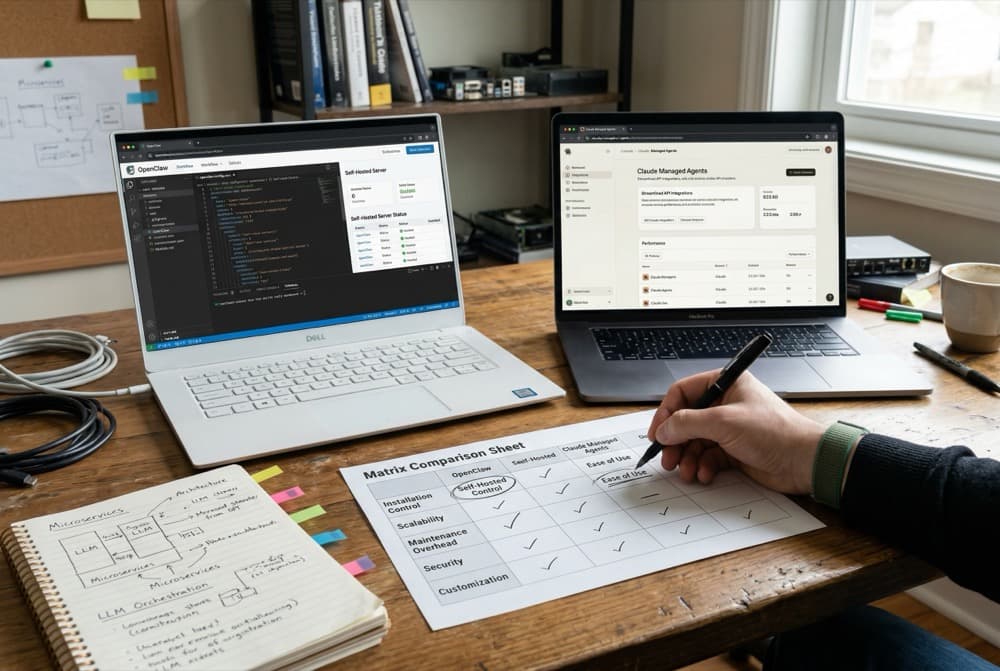
OpenClaw vs Claude Managed Agents
As managed agent platforms mature, buyers are being forced to choose between two very different operating models: self-hosted control and vendor-managed convenience. Claude Managed Agents reduces infrastructure burden with a cloud-hosted execution layer, while OpenClaw offers stronger flexibility, channel-native orchestration, and deeper ownership over runtime, memory, tools, and data flow. The real strategic question is not which is universally better, but which model fits the company’s risk tolerance, technical maturity, and desired level of control.

Retrieval Accuracy Is the New Meeting AI KPI
Buyers are moving past “nice summary” demos and asking a harder question: can the system retrieve the right decision, owner, and source moment from a messy meeting archive when the stakes are real? In 2026, the quality bar for meeting AI is shifting toward retrieval accuracy, citation quality, and trust under pressure. That makes searchable, source-linked meeting memory a more strategic product promise than transcription alone.

Searchable Catch-Up Is Replacing Monday Recaps for Hybrid Teams
In 2026, hybrid teams are moving away from weekly recap meetings that exist mainly to rebuild context. Instead, they are adopting searchable meeting memory so people can self-serve decisions, action items, and missed discussions without dragging the whole team back into another sync. For operators and managers, the shift matters because it cuts context debt while preserving accountability.

Source-Linked Briefs Will Replace Board Pack Guesswork
As executive teams adopt agentic workflows in 2026, the weak point is no longer note capture — it is whether leadership briefings can be traced back to what was actually said, decided, and assigned in meetings. This article argues that source-linked executive briefs will overtake static board-pack summaries because they reduce decision risk, improve accountability, and make follow-up faster. For Upmeet.ai, that creates a timely narrative around turning meeting history into credible executive-grade evidence.

From Talking to Training: Meetings as Synthetic Data Factories
In 2026, the primary output of a meeting isn't just a summary—it's high-fidelity human-in-the-loop data used to fine-tune specialized team AGIs. This angle explores how Upmeet transforms raw meeting context into structured synthetic datasets, allowing companies to train custom models on their unique institutional logic, edge cases, and cultural nuances without manual data labeling.

How AI Meeting Search Finds Buyer Objections Early
B2B revenue teams are sitting on a hidden source of pipeline intelligence: the objections buyers raise in internal debriefs, discovery calls, demos, and renewal reviews. In 2026, the edge is no longer just recording meetings — it is making objection patterns searchable fast enough for sales, product marketing, and leadership to act before deals stall. This article shows why searchable meeting memory is becoming an early-warning system for revenue risk.
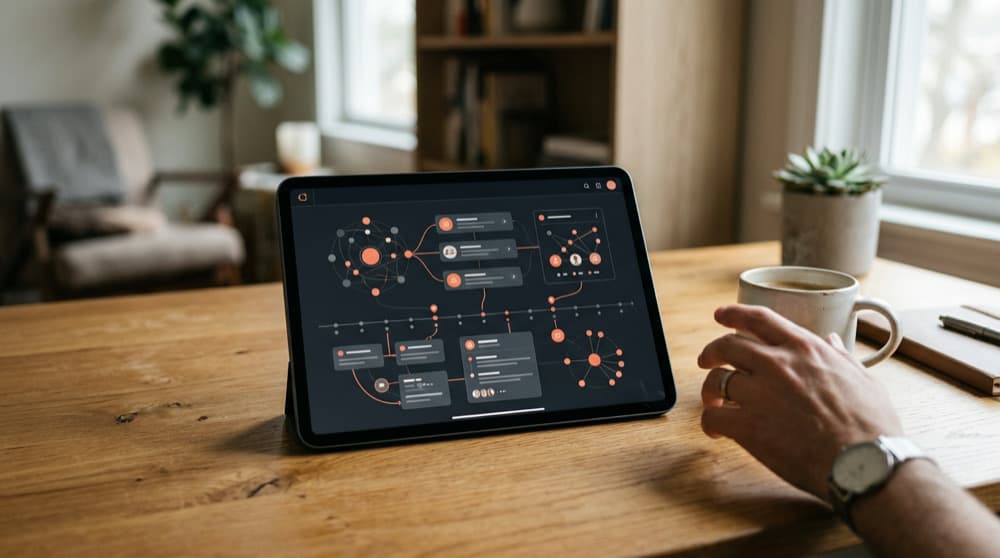
How Searchable Meeting Memory Scales High-Growth Teams
In 2026, the competitive edge isn't attending more meetings—it’s never having to attend the same one twice. This piece explores how decentralized teams are using persistent meeting memory to replace status syncs with searchable, actionable intelligence.

The Great Divergence: Navigating the Geopolitics of AI Strategy in 2026
This analysis explores the strategic divergence between the U.S. scale-first approach, China’s vertically integrated model, and Europe’s trusted-AI focus. We examine how these three blocs are reshaping enterprise productivity through radically different regulatory frameworks and compute infrastructures.

Meetings Are the Context Layer for AI Agents
In 2026, teams are moving from one-off AI prompts to agentic workflows, but many of those agents still fail because they lack business context. The missing layer is not another dashboard; it is the searchable history of meetings where decisions, objections, dependencies, and owner changes are actually discussed. This article argues that meeting intelligence is becoming the operating context that makes AI agents useful, accountable, and commercially relevant.

The "Agentic Action" Audit: Why 2026 Meetings are Abandoning Transcripts for Autonomous Workflows
For years, the "AI meeting assistant" was defined by its ability to listen. In 2024 and 2025, enterprise success was measured by the accuracy of a transcript or the conciseness of a summary. But as we move through 202...
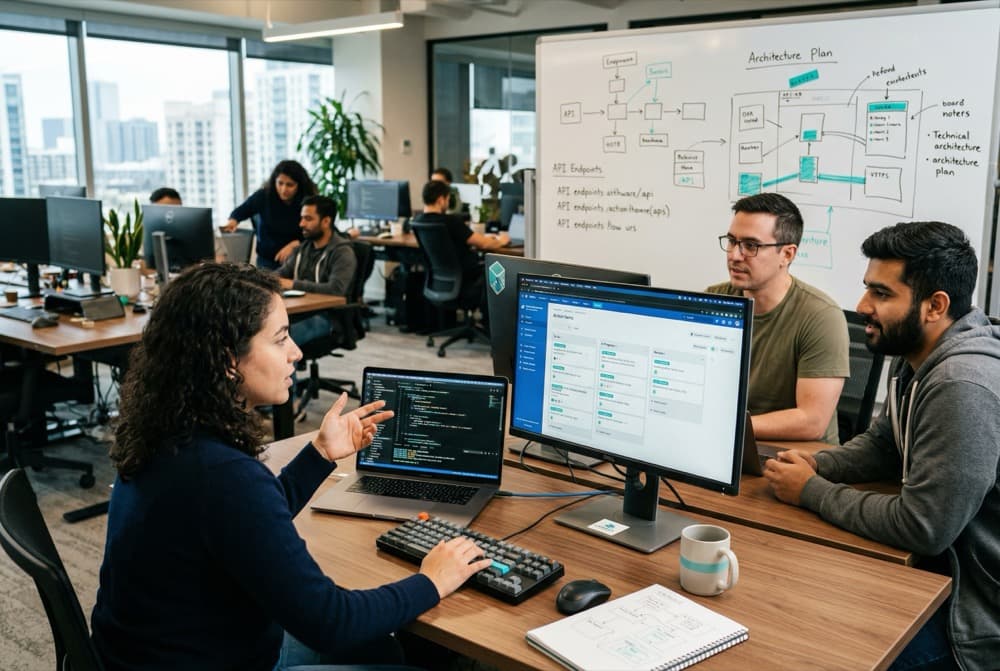
The Meeting-to-Code Pipeline: Automating Technical Implementation
This angle explores how engineering teams bypass document-based handoffs by using Upmeet's conversational retrieval to feed implementation requirements directly into development environments. Instead of manually drafting specs, teams query past architectural discussions to generate "ready-to-code" logic and edge-case documentation. This shifts the focus from "what was said" to "how do we ship it immediately."
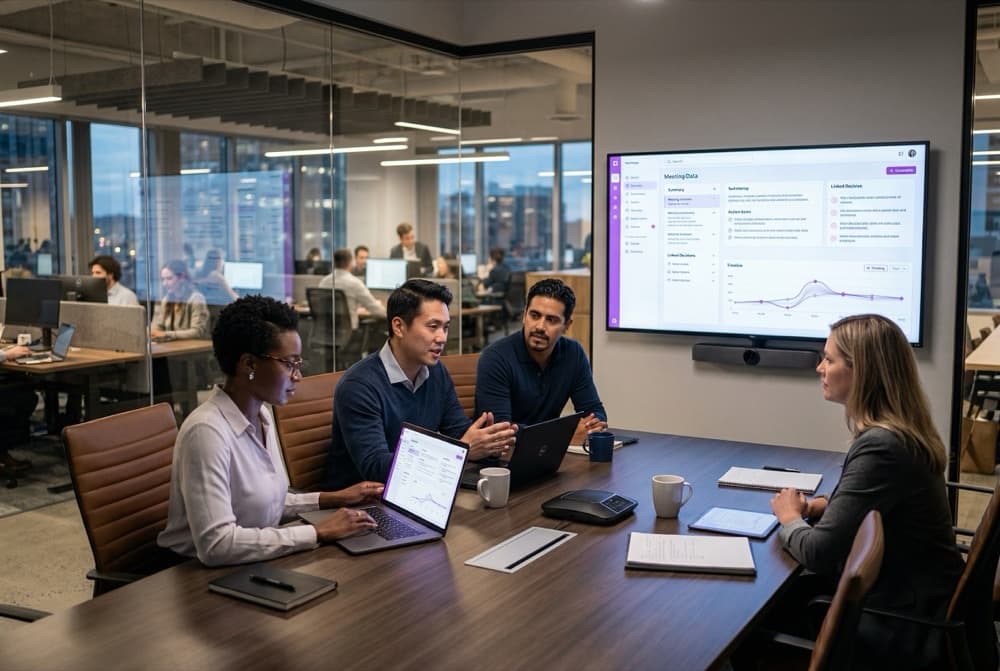
The Memory Liquidity Mandate: Unlocking Institutional Intelligence from the Meeting Archive
In the modern enterprise, the most valuable asset isn’t just data—it’s the context behind it. Yet, for most organizations, that context is trapped in a state of "meeting debt." Thousands of hours of strategic alignmen...
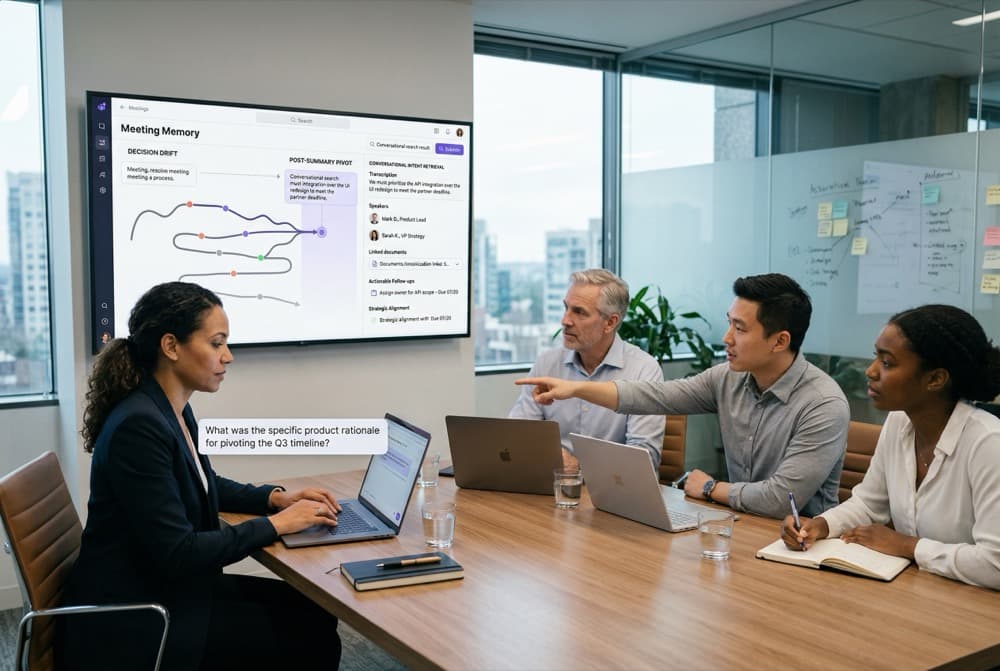
The "Post-Summary" Pivot: Ending "Decision Drift" with Conversational Intent Retrieval
In the high-stakes environment of 2026, the traditional meeting summary has hit its ceiling. While generic AI-generated bullet points have become a commodity, they often lack the technical depth required to prevent ex...
The 'Shadow Meeting' Crisis: Auditing Your Team’s Unrecorded Intellectual Property
In the race to build "agentic workflows" and AI-driven operations, most leadership teams are looking at their tech stack, their LLM providers, and their clean data pipelines. But they are ignoring the single largest l...

Beyond Transcription: The Rise of "Agentic Multi-Presence" in Executive Workflows
In 2026, the executive calendar is no longer just a schedule of meetings. It is becoming an operating system for decisions, follow-ups, and cross-functional execution.

How to Write Effective Meeting Minutes: A Practical Guide
Clear, precise, and actionable meeting minutes make all the difference. Learn how to write them effectively for every meeting, with concrete examples and practical tips.

How to Optimize Your Meetings with Artificial Intelligence
Discover how AI can transform your meetings into productive and efficient moments. Complete guide to using Upmeet and saving time.

5 Common Meeting Mistakes and How to Avoid Them
Identify and fix the mistakes that sabotage your meetings. Practical guide for more effective and productive meetings.